
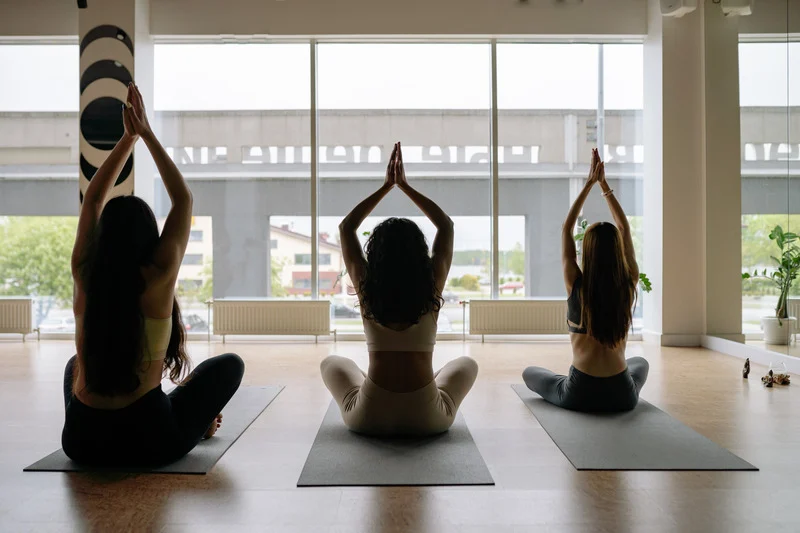
When people hear the word yoga, they often imagine someone sitting in meditation or performing advanced physical postures.
But yoga can be much more than achieving difficult poses.
A mindful and therapeutic approach to movement focuses on understanding the body, developing awareness, and choosing practices that support individual needs.
What Is Therapeutic Movement?
Therapeutic movement uses mindful physical practices to help people develop better awareness of how they move, breathe, and feel.
Rather than treating the body as something that needs to be pushed, this approach encourages us to listen to it.
Every person has a different body, lifestyle, movement history, and set of needs. Therefore, a yoga practice does not have to look exactly the same for everyone.
Why Mindful Movement Matters
Many of us spend hours sitting at desks, using phones, driving, or repeating the same movements every day.
Over time, this lifestyle can make us more aware of stiffness, tension, fatigue, or limited mobility.
Mindful movement creates an opportunity to reconnect with the body.
Instead of rushing through exercises, you begin paying attention to questions such as:
- How does this movement feel?
- Am I breathing comfortably?
- Where am I holding unnecessary tension?
- Can I move with greater ease?
- What does my body need today?
These simple observations can transform the way you approach movement.
Movement Without Competition
One of the most important principles of a therapeutic approach is that your practice does not need to be a competition.
Yoga is not about touching your toes before someone else or performing the most advanced posture.
It is about developing a healthier relationship with your own body.
A beginner and an experienced practitioner may perform the same movement differently—and both approaches can be meaningful.
The Role of Breath
Breathing can add another dimension to mindful movement.
When movement and breathing are coordinated, the practice becomes an opportunity to develop greater awareness and concentration.
Pranayama can further deepen this relationship with the breath and encourage you to observe your breathing patterns with greater attention.
Yoga as a Personal Practice
A sustainable yoga practice should meet you where you are.
Some days you may feel energetic and ready for movement. On other days, slower practices, breathing exercises, or meditation may feel more appropriate.
Learning to recognize this difference is an important part of mindful living.
Discover a More Mindful Way to Move
At Pranav Yogshala, yoga is approached through the combined practices of therapeutic movement, pranayama, meditation, and mindful living.
Guided by Yoga Therapist Ankit Vats, the practice focuses on creating a peaceful environment where movement can become an opportunity for awareness rather than pressure.
You do not have to force your body into yoga.
Instead, you can learn to bring greater awareness to the body you already have.
Move with awareness. Breathe with intention. Practice with patience.